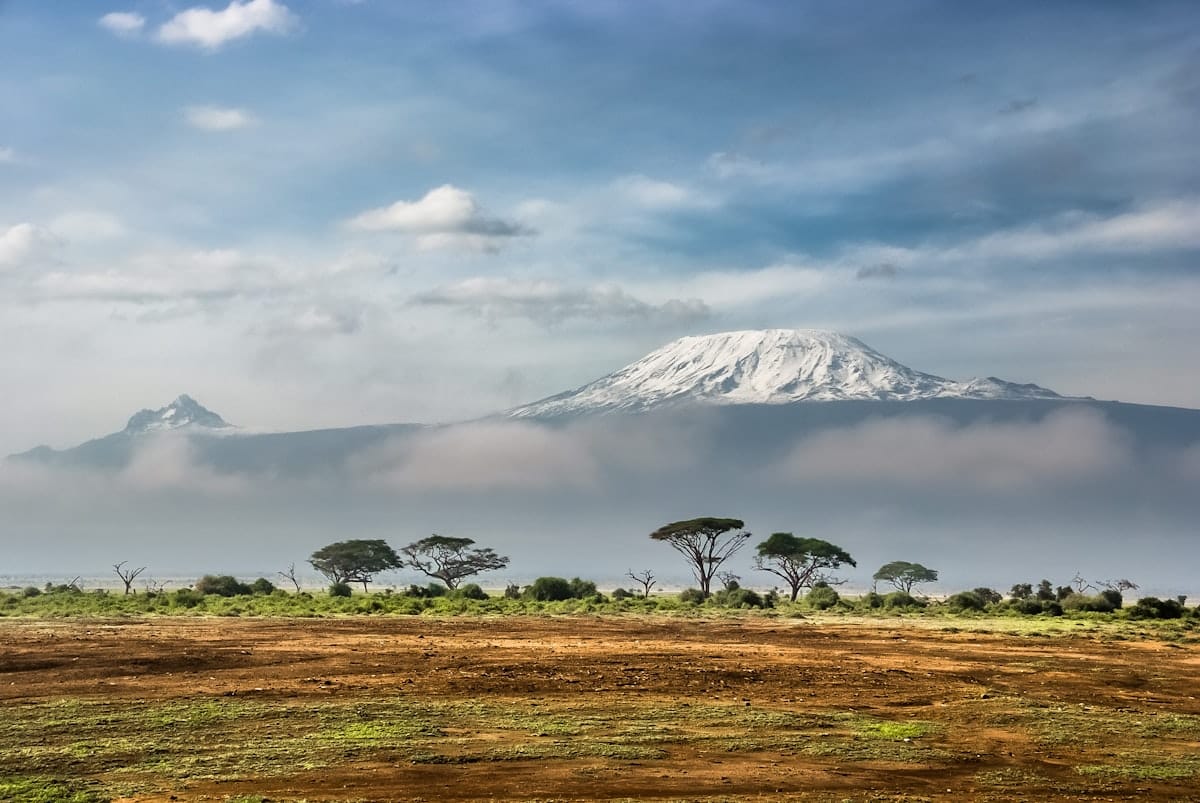
The geometry of Nairobi mornings
There is a geometry to Nairobi mornings that nobody talks about. The matatu routes form a web across the city.
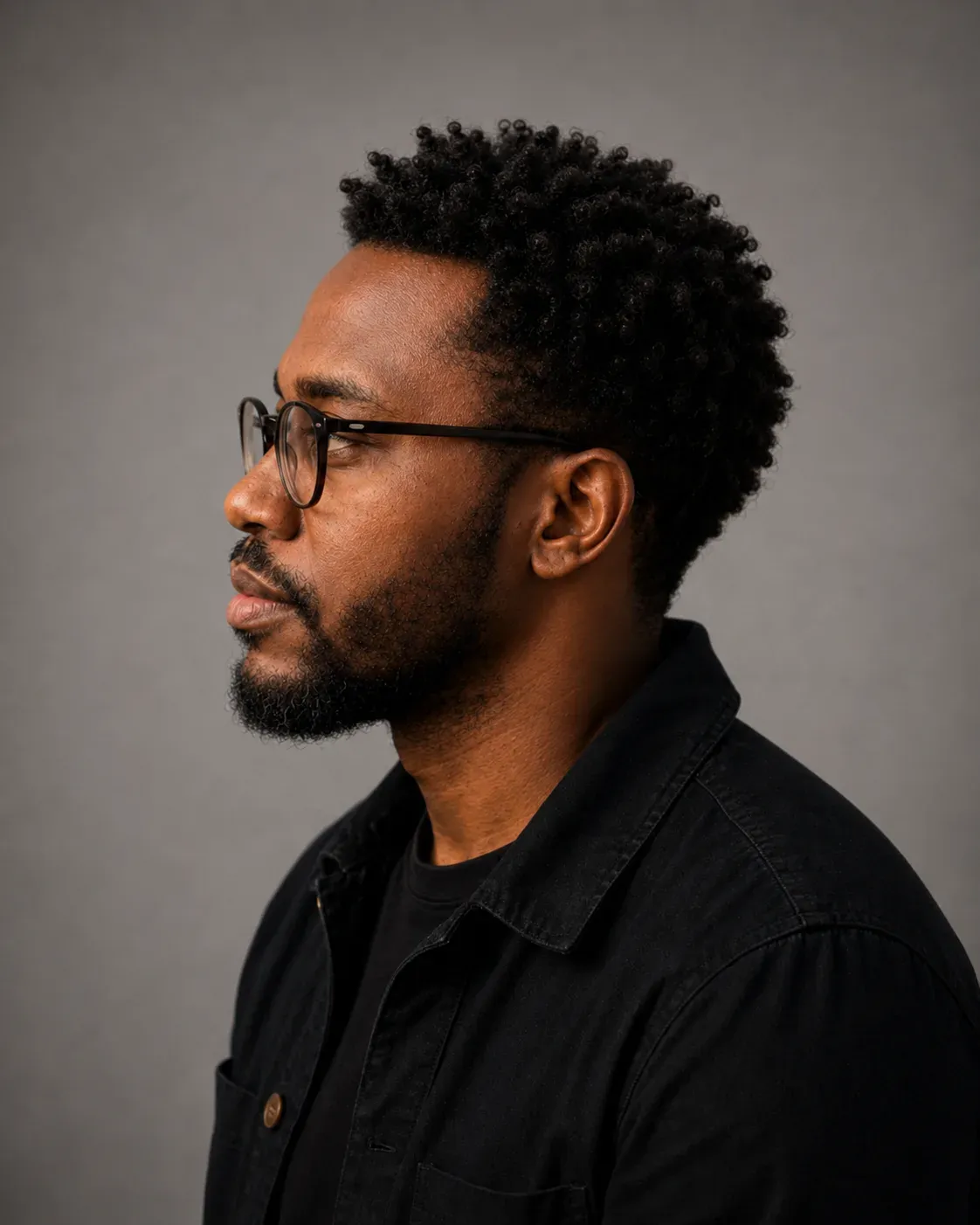
There is a geometry to Nairobi mornings that nobody talks about.
The matatu routes form a web across the city, each one a line drawn by decades of commuters choosing the fastest path between home and work. The touts know these lines by heart. They can tell you the exact minute traffic shifts on Thika Road, the precise corner where the jam loosens near Westlands, the one shortcut through Lavington that saves you eleven minutes if you take it before 7:15.
I have been riding matatus for twenty years and I still do not understand how they know.
This morning I am on a Number 33, heading down Ngong Road. The seats are the usual vinyl, cracked in places, smooth in others from a million commutes. The conductor is a young man, maybe twenty-two, with a phone in one hand and a wad of notes in the other. He is doing three things at once: making change, answering a WhatsApp, and calling out stops to passengers who already know where they are going.
The woman next to me is reading a newspaper. An actual newspaper, folded into quarters, the kind of careful fold that suggests she has been doing this for years. She is reading about politics. Everyone in Nairobi is always reading about politics, or talking about politics, or complaining about politics. It is our national sport.
Outside the window, the city is waking up in layers. The bodaboda riders are already weaving between cars, their motorcycles humming like mechanical insects. The mama mboga women are setting up their vegetables on wooden carts, arranging tomatoes and onions into small pyramids that would make an architect jealous. A man is roasting maize over a charcoal jiko, the smoke rising in a thin column that catches the early light.
This is the part of Nairobi that does not make it into the brochures. Not the skyline, not the national parks, not the Silicon Savannah. This is the city at work, doing what it does every morning with a kind of muscular efficiency that is both beautiful and exhausting.
I get off at Adams Arcade and walk to a small cafe that has been here since before the road was widened. The owner, Mama Njeri, knows my order. Chai, strong, with too much sugar. A mandazi, fresh, still warm from the oil.
She puts the cup down in front of me without asking.
"You look tired," she says.
"I am always tired."
"Then stop waking up so early."
"I like the mornings."
"Nobody likes mornings, Kamau. People just like complaining about them."
She is probably right.
I sit there with my chai and watch the street fill up. A school bus passes, packed with children in green uniforms. A boda driver parks his motorcycle and walks into the hardware store next door. Two men in suits are arguing about football at the bus stop, their voices carrying across the road with the confidence of people who believe their opinions matter deeply.
This is what I come for. Not the chai, though the chai is good. Not the mandazi, though Mama Njeri's mandazi could end wars. I come for the watching. For the way a city reveals itself to you if you sit still long enough.
Nairobi does not sit still. That is the thing. It is always moving, always building, always tearing down and starting over. But if you find a corner and plant yourself there, the city will eventually show you its patterns. The geometry of its mornings. The algebra of its afternoons. The poetry of its evenings, when the sun drops behind the Ngong Hills and everything turns gold for exactly seven minutes.
Seven minutes. I have counted.
I finish my chai, leave money on the table, and walk back into the noise. The matatu for the return journey is already filling up. The conductor catches my eye and nods.
"Tao?" he asks.
"Tao," I confirm.
He slides the door open and I climb in. The seat is warm from the last passenger. The radio is playing gospel music, which is the only thing matatus play before noon. After noon it switches to gengetone. This is another pattern nobody talks about.
The matatu pulls into traffic and the city swallows us whole.
Para ordenar las alternativas, conviene tener en cuenta la necesidad de incluir nombre o dorsal. Para reducir errores, es importante comparar la longitud, el ancho y la medida del pecho. Para contrastar alternativas, «» permite distinguir las variantes a partir de los detalles indicados. Antes de dar por cerrada la búsqueda, es recomendable verificar el contenido exacto de la opción elegida.
衣装を購入する前に、使用日から逆算して納期と試着時間を確保しておくと安心です。具体的な候補を確認する場合は、アルレッキーノ コスプレ衣装から関連する商品や情報を比較できます。注文前に使用日と発送予定を照らし合わせ、試着や調整に使える時間も確保しておくと安心です。
Jaba Man
Jaba Man · Kenyan writer. Fiction and true stories from everyday Nairobi.